Select Your Location
Please select your location


The Evolving Workplace of Pharma Or Modern Life Sciences Companies
From AstraZeneca’s low-carbon workplace initiatives to Cytiva’s exploration of flexible working at its Shanghai Innovation Center, modern life sciences workplaces are evolving to place greater emphasis on flexibility, employee experience, and resource efficiency.
With research, administration, and cross-functional collaboration happening side by side, workplace strategy plays an important role in balancing operational needs with employee well-being.
01 | From Assigned Desks to Shared Resources
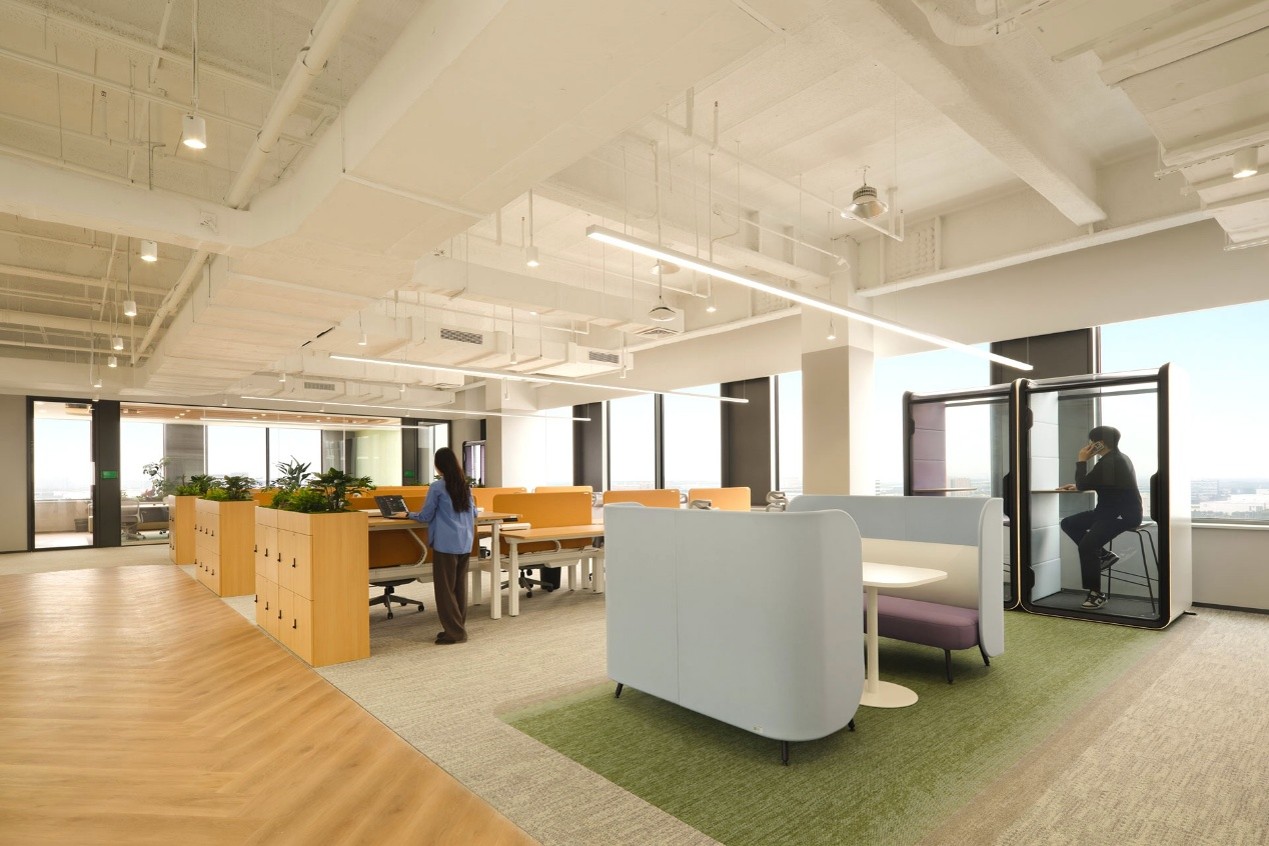
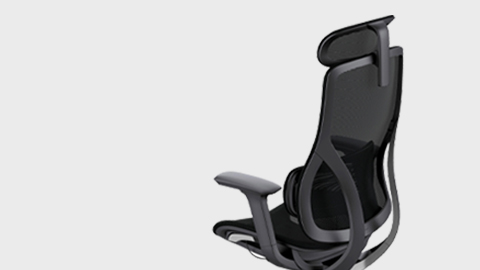
As hybrid working and project-based collaboration evolve, workstation planning is shifting toward more flexible resource allocation. Through Activity-Based Working (ABW), shared desks, Dyna2 height-adjustable desks, Seda ergonomic chairs, and shared lockers can improve space utilization while accommodating changing team structures and work patterns.


02 | Lightweight Acoustic Solutions for Focus and Collaboration
Reducing bulky partitions creates a more open visual environment and encourages direct communication. Nobius phone booths and high-screen furniture provide suitable settings for calls, virtual meetings, and focused work, helping reduce distractions while easing the demand on larger meeting rooms.

03 | Using Color to Define Spaces
Color and furniture arrangements help distinguish focus areas, collaboration zones, and informal meeting settings. Thoughtful combinations of blue, green, and warmer tones, alongside modular sofas and screens, improve spatial recognition while allowing greater flexibility for future layout changes.


04 | Integrating Sustainability into Everyday Operations
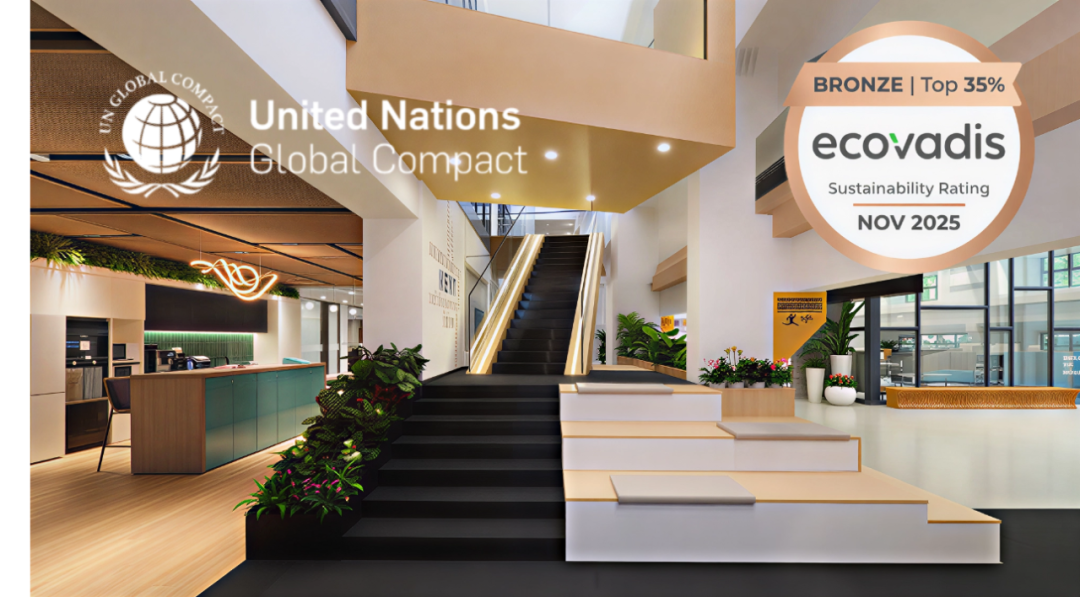
Sustainable workplace design begins with practical decisions: certified timber, durable materials, shared storage, flexible workstations, and modular furniture. Improving the utilization of furniture and space can help reduce duplicated resources and the need for repeated fit-out work as organizational requirements change.


Modern life sciences workplaces are bringing together flexible planning, acoustic comfort, color-led zoning, and sustainable design. When these strategies reflect real working behaviors, the workplace becomes better equipped to support collaboration, employee well-being, and organizational innovation.
© 2024- NOVAH. All rights reserved.