Select Your Location
Please select your location


iSoft Infrastructure Software Co., Ltd. is an enterprise dedicated to the research and development of infrastructure software. As a key participant in China’s Information Technology Application Innovation (ITAI) strategy, iSoft Infrastructure Software is driven by independent innovation and has spent years deeply engaged in core operating system technologies. The company provides high-security, high-availability infrastructure software solutions to critical sectors, including government, finance, energy, and transportation.
This office space renovation was specifically undertaken to create a tailored, highly efficient, and professional working environment for its newly established Vehicle Control Safety Technology Design Center and Vehicle Control Operating System Testing Center.
In a technology-intensive enterprise like iSoft Infrastructure Software, the majority of employees are systems engineers who spend their days working with kernels, drivers, and security protocols. Their work demands intense concentration and extended chains of thought—interruptions can easily break hours of deep flow state, resetting critical cognitive progress. This highlights an often-overlooked reality: the more technically rigorous the organization, the greater its need for a flexible, intelligent, and “breathable” workplace environment.
Traditional office settings commonly suffer from the following pain points:
· Lack of Workstations Designed for Deep Work: Engineers often require uninterrupted blocks of several hours to immerse themselves in complex logical reasoning and system testing. This places exceptionally high demands on workstation functionality, stability, and customizability—requirements that standard setups rarely meet.
· Mismatched Collaboration Scenarios: Collaboration takes many forms—from impromptu two-person code reviews and cross-team progress alignments to formal solution demonstrations. Yet most offices offer only two extremes: either fully booked meeting rooms or open desks with no acoustic or visual privacy. This binary choice leads to either resource bottlenecks or ineffective, distracting interactions.
· Overly “Technically Sterile” Spatial Identity: While external stakeholders expect a professional and trustworthy image, internal culture must foster innovation and engagement. However, many tech-oriented offices fall into the cliché of “white walls and cubicles,” lacking human warmth and failing to resonate with the next generation of top-tier engineering talent.
Though these challenges may appear to be purely spatial, they are in fact hidden bottlenecks that directly constrain organizational effectiveness and talent strategy.
Faced with an organization like iSoft Infrastructure Software—characterized by high intellectual density and strong collaboration demands—NOVAH did not start from a product-centric perspective. Instead, it took the real working behaviors of engineers as the foundational point, developing a spatial strategy that holistically balances focus protection, collaboration flexibility, and human-centered experience.
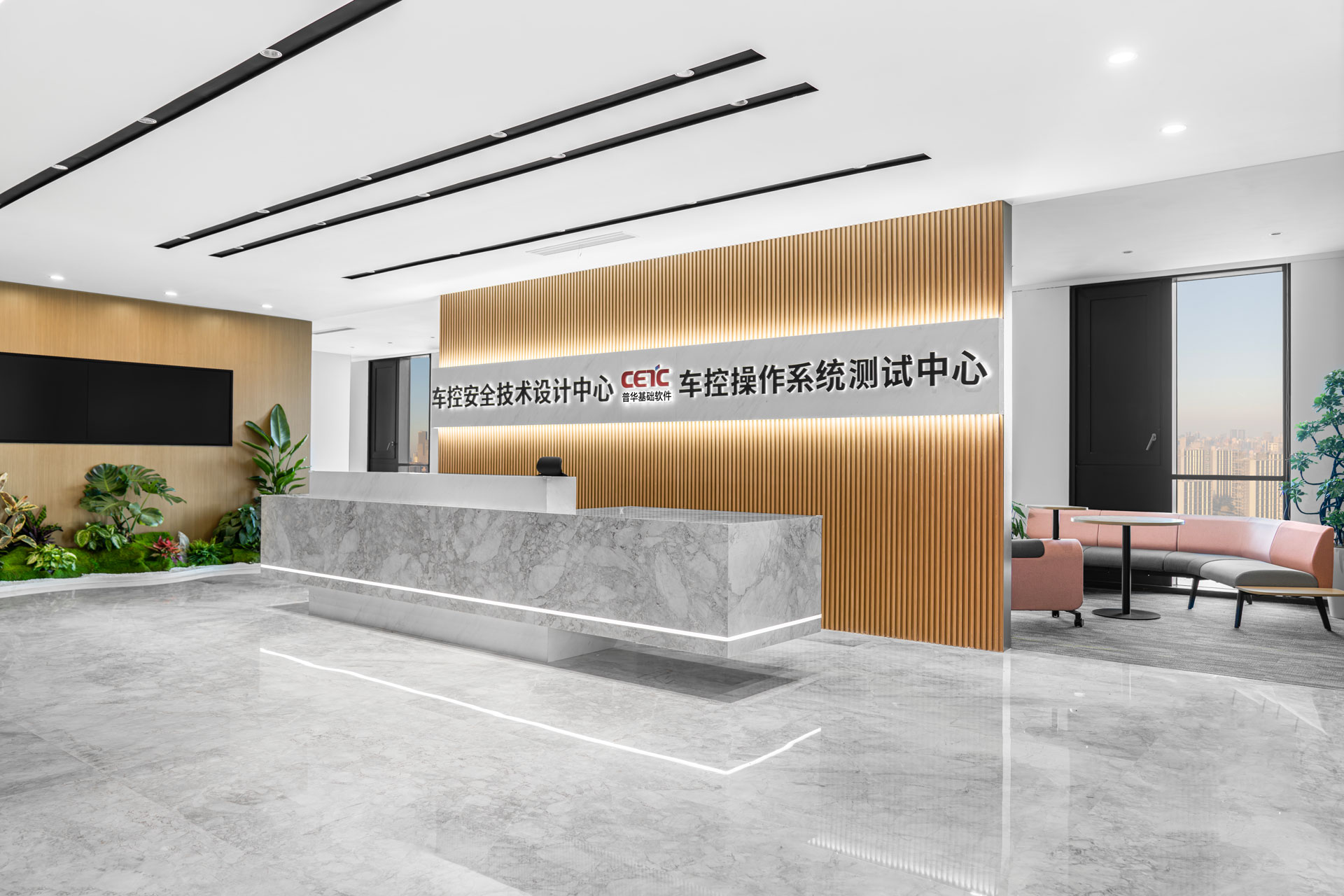
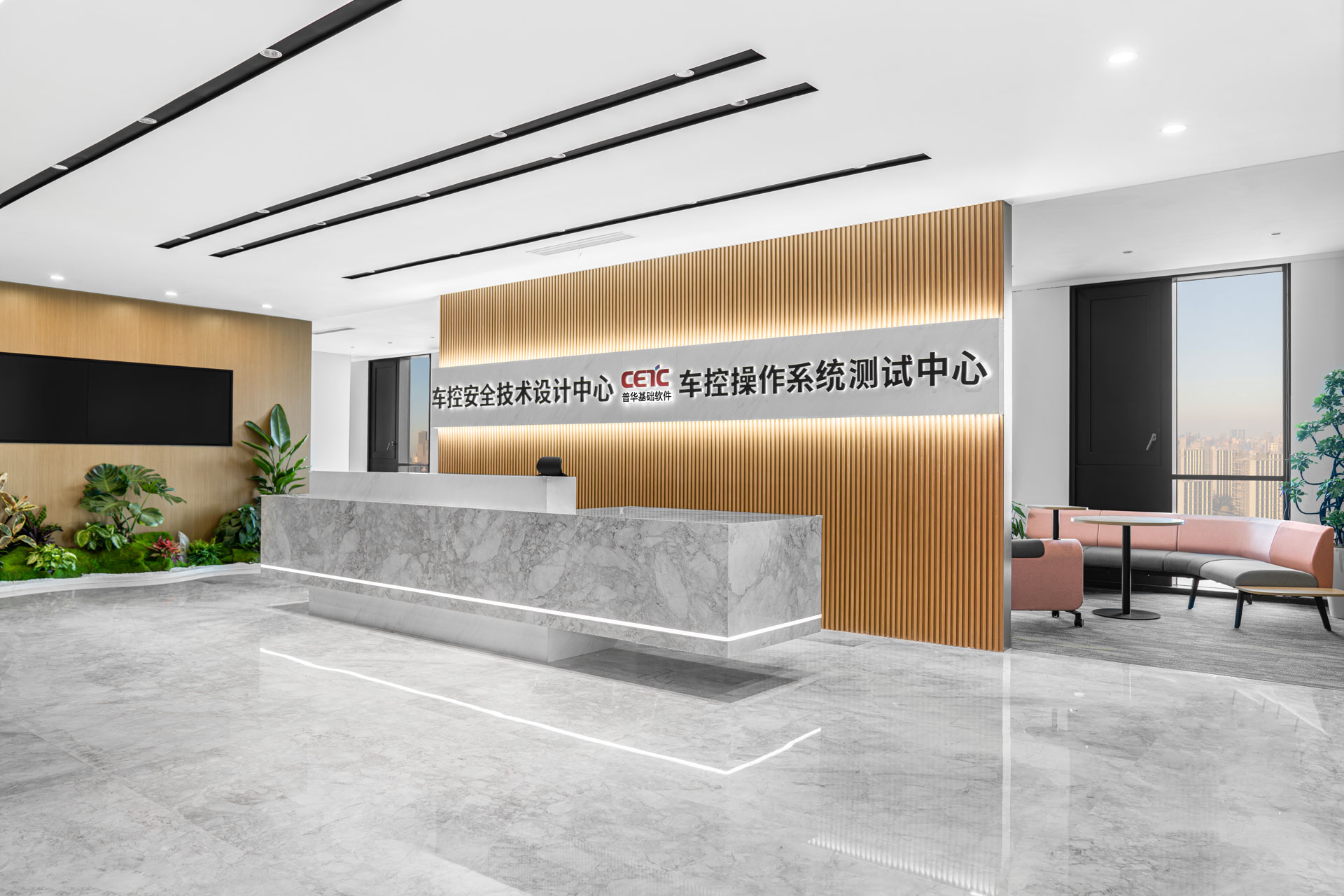
The reception area abandons the traditional enclosed layout, instead adopting clean, crisp linear forms. Behind the front desk, a compact lounge nook is seamlessly integrated, featuring the Cabana lounge sofa and Rocky pony chairs.
Externally, this setup softens the perceived distance often associated with technology companies, welcoming visitors into a warm and approachable reception environment. Internally, it encourages spontaneous employee pauses, fostering informal, cross-departmental encounters—precisely the kind of serendipitous interactions from which many critical technical breakthroughs emerge.
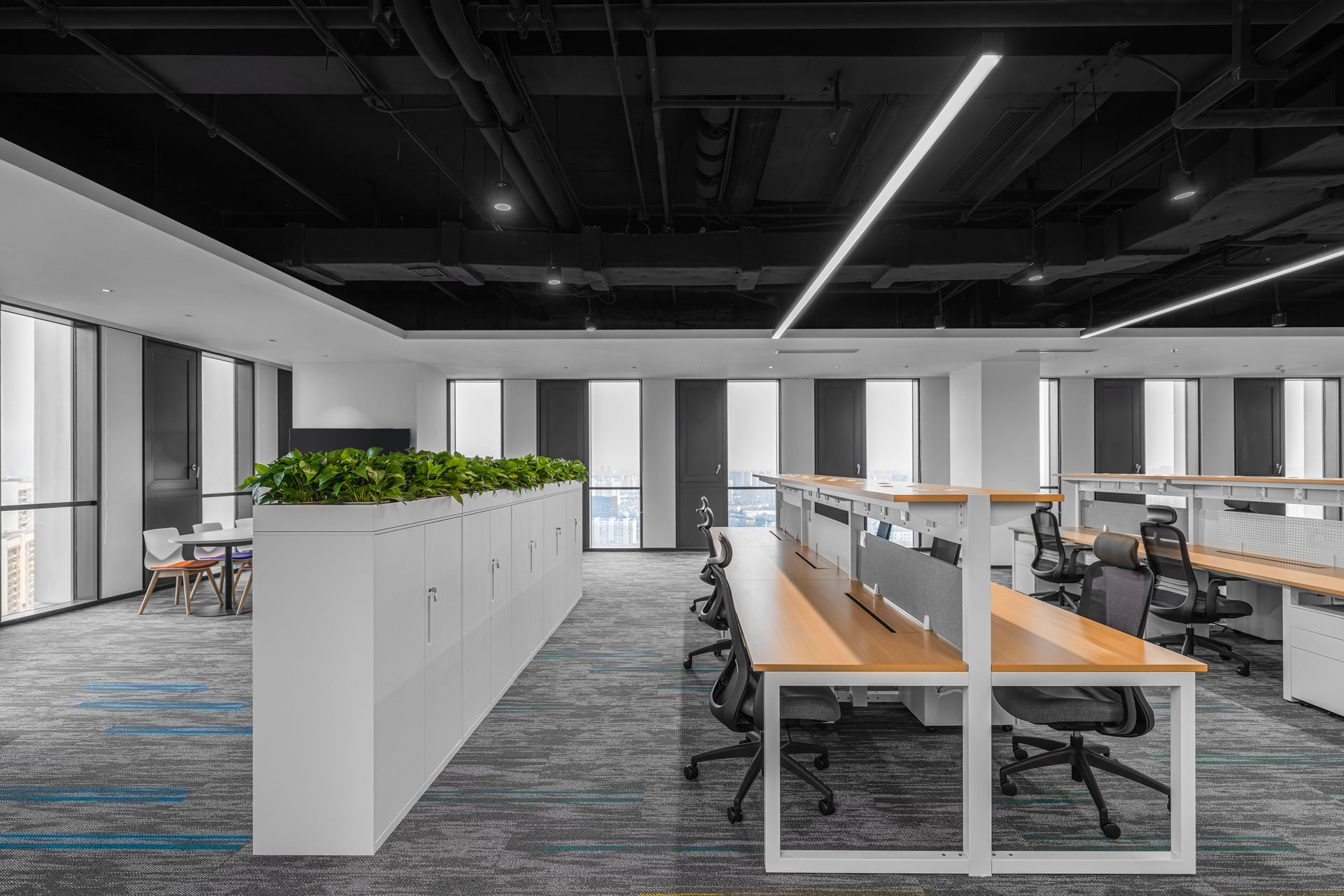
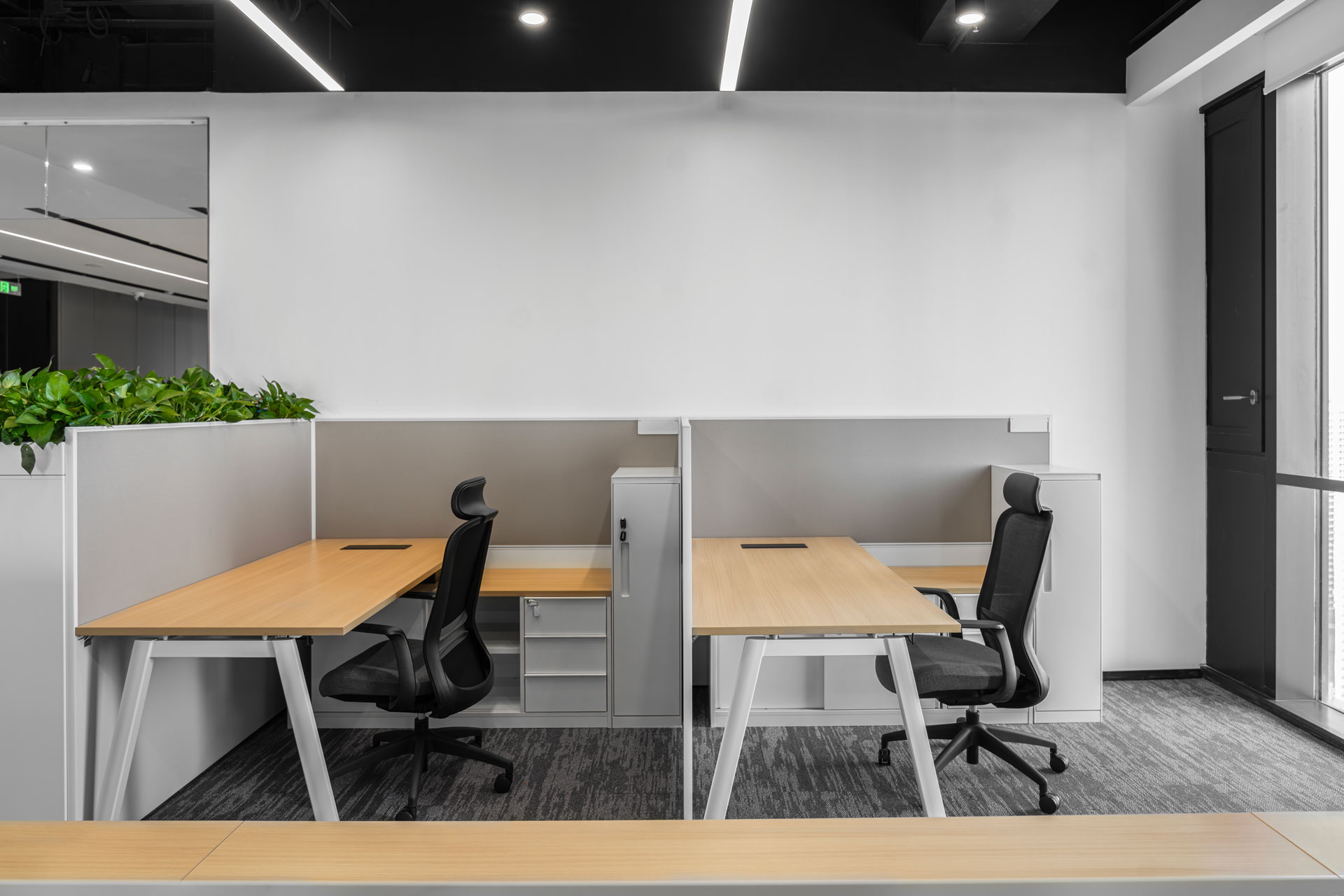
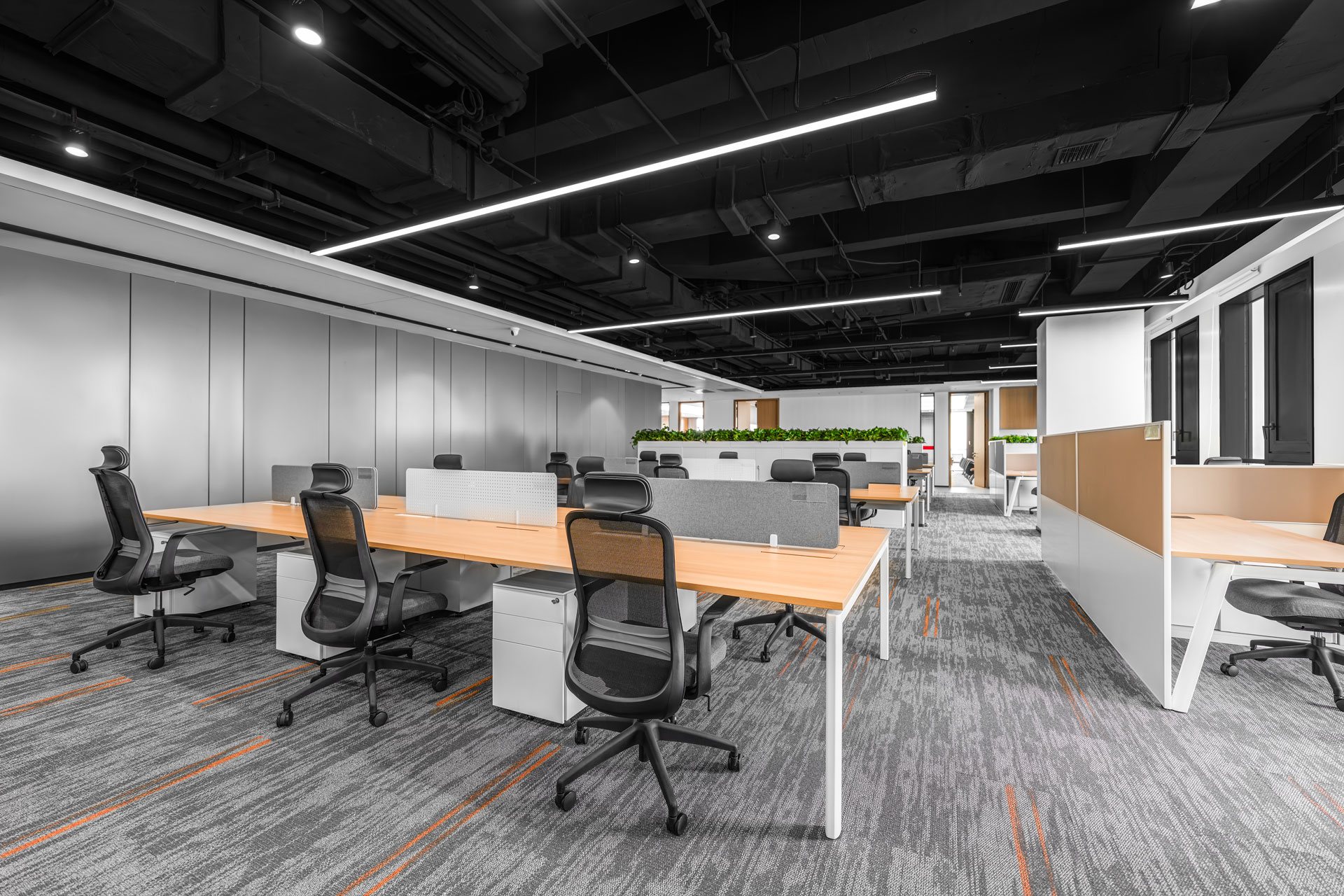
NOVAH developed a custom workstation system for iSoft Infrastructure Software, grounded in ergonomic principles and centered on three core values:
· Visual Privacy: Screen partitions are optimized in height and angle to filter out peripheral distractions, creating an immersive environment that supports sustained concentration.
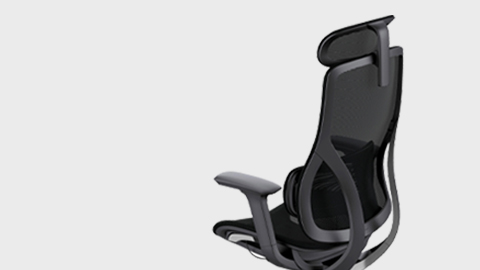
· Health-Oriented Support: Each station is equipped with the Yoko ergonomic chair, which uses auto-adaptive gravity mechanisms to accommodate users of varying heights and weights—minimizing setup complexity while addressing the physical challenges of prolonged sitting.
· Integrated Cable Management: Ample power outlets and concealed cable routing maintain a clean, uncluttered desktop, aligning with engineers’ inherent preference for logical order and visual tidiness.
These workstations are strategically positioned in zones with abundant natural light and minimal foot traffic, forming high-efficiency “quiet zones.” Yet, through the use of glass partitions, they remain softly connected to the team’s core collaborative area—protecting deep focus without isolating individuals into information silos.


At iSoft Infrastructure Software, collaboration does not follow a single format—it shifts dynamically across contexts. To accommodate this fluidity, NOVAH implemented a three-tiered collaborative spatial framework designed for “situational adaptability”:
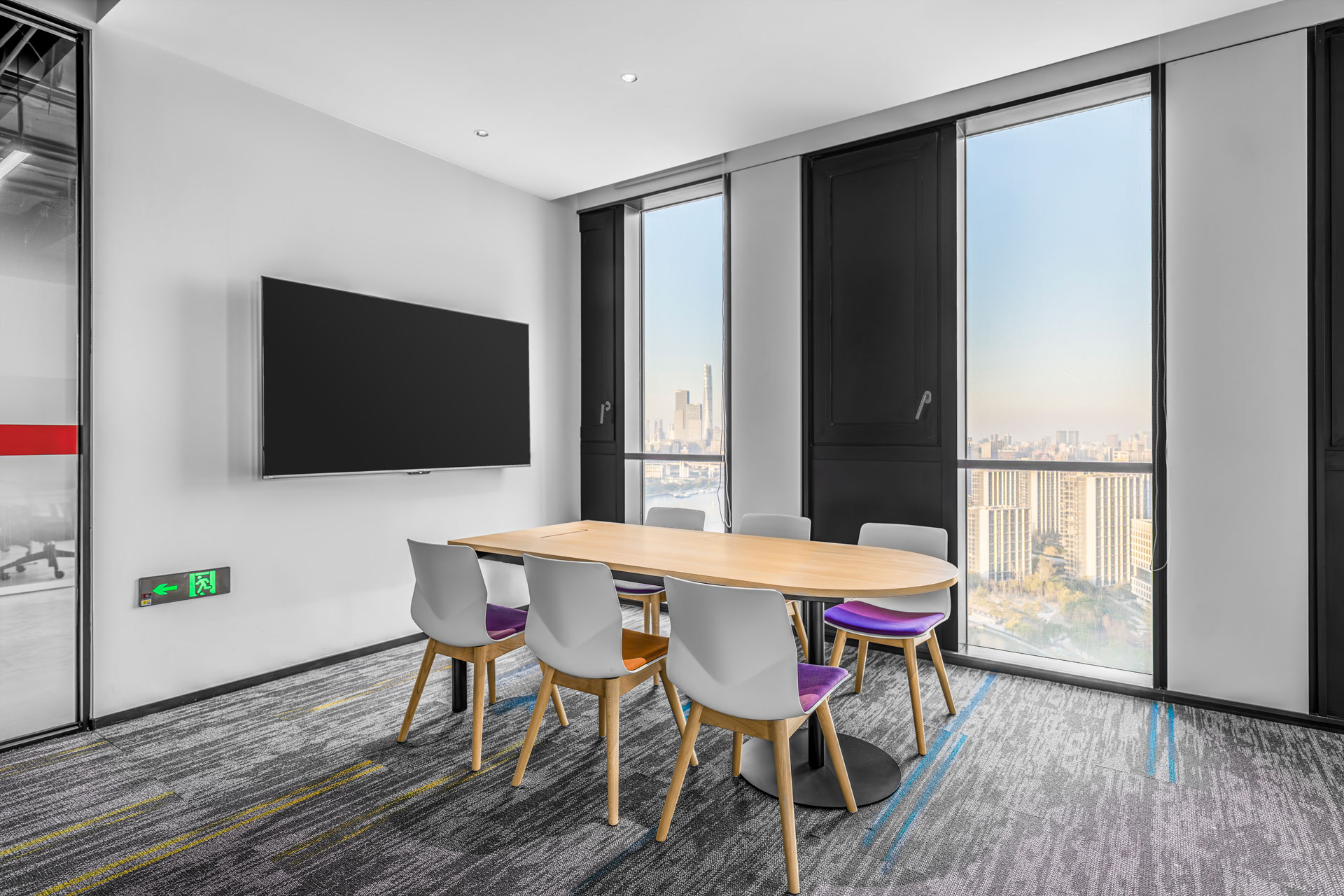
Integrated alongside workstations are FourSure44 collaboration pods, paired with video conferencing systems to enable impromptu discussions or remote joint debugging sessions for 4–6 people. No meeting room booking is required—ideas flow without being stalled by procedural friction.
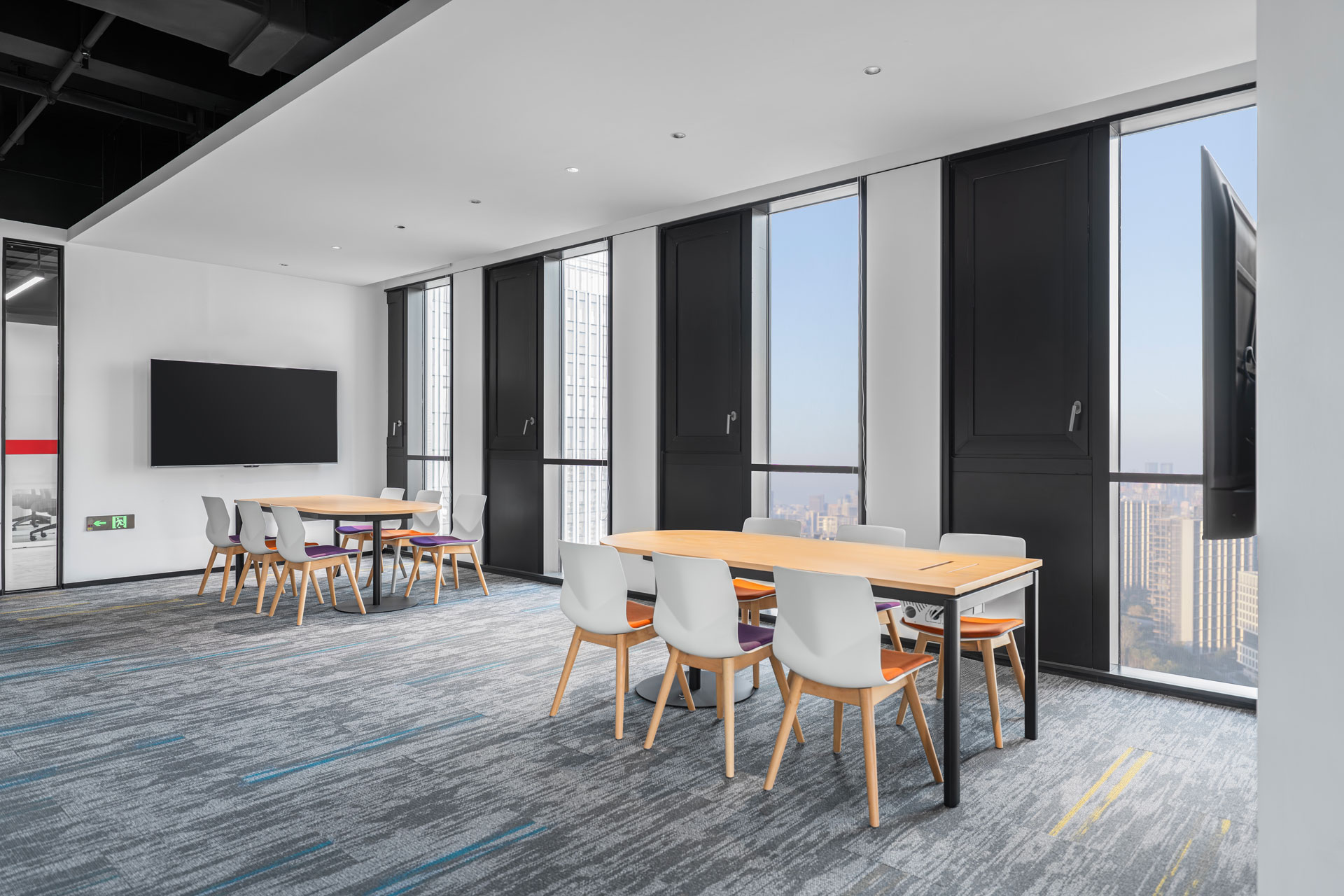
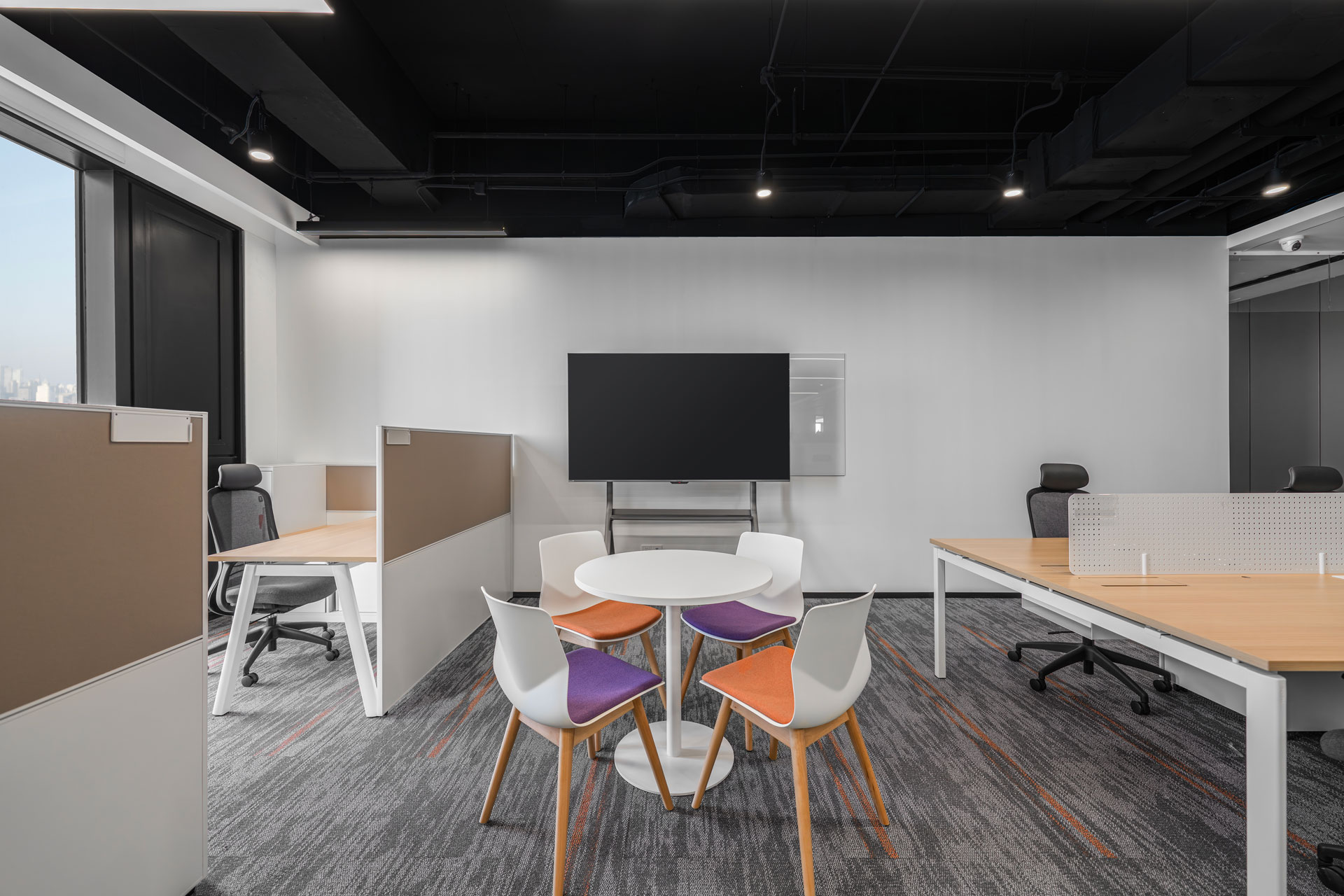
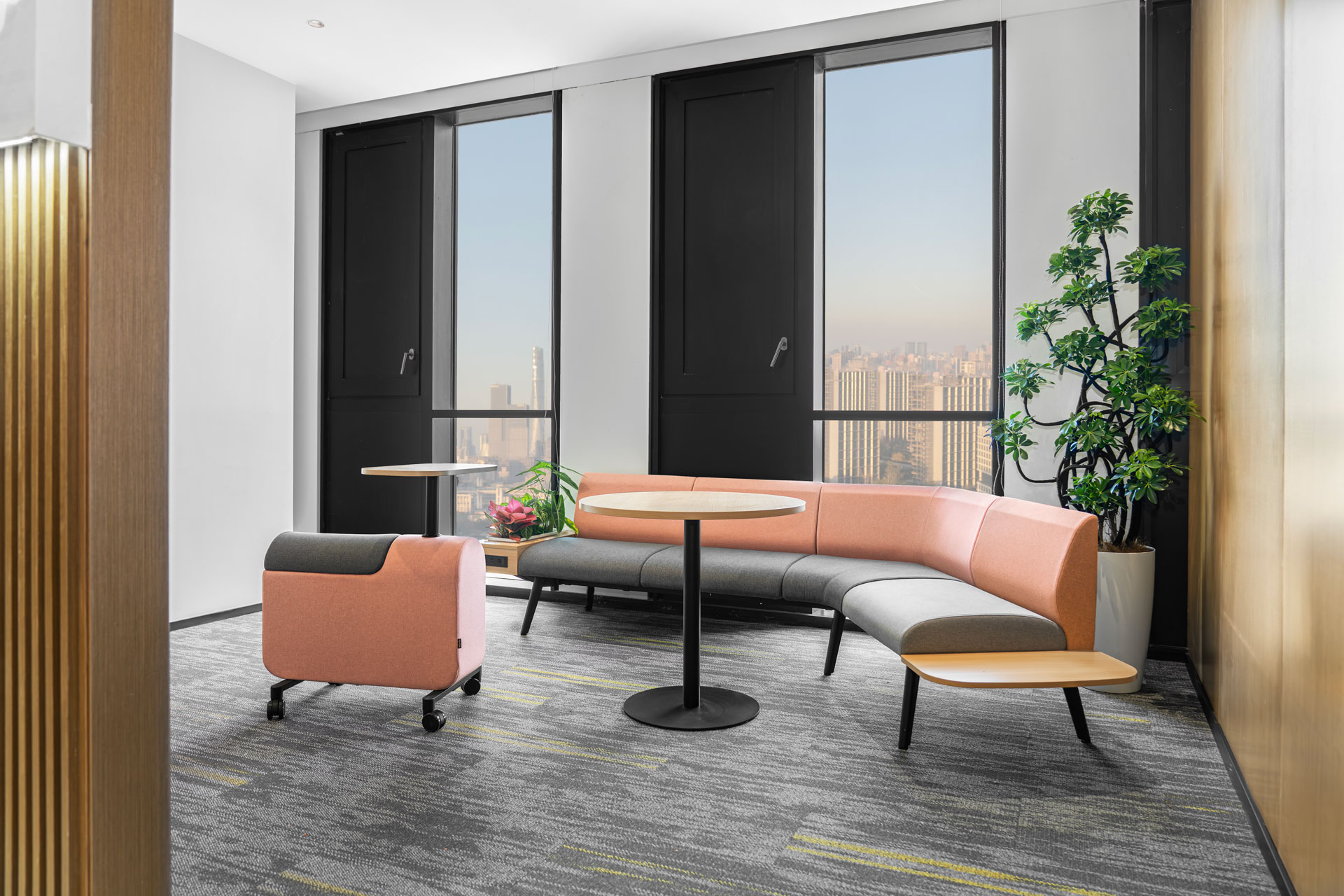
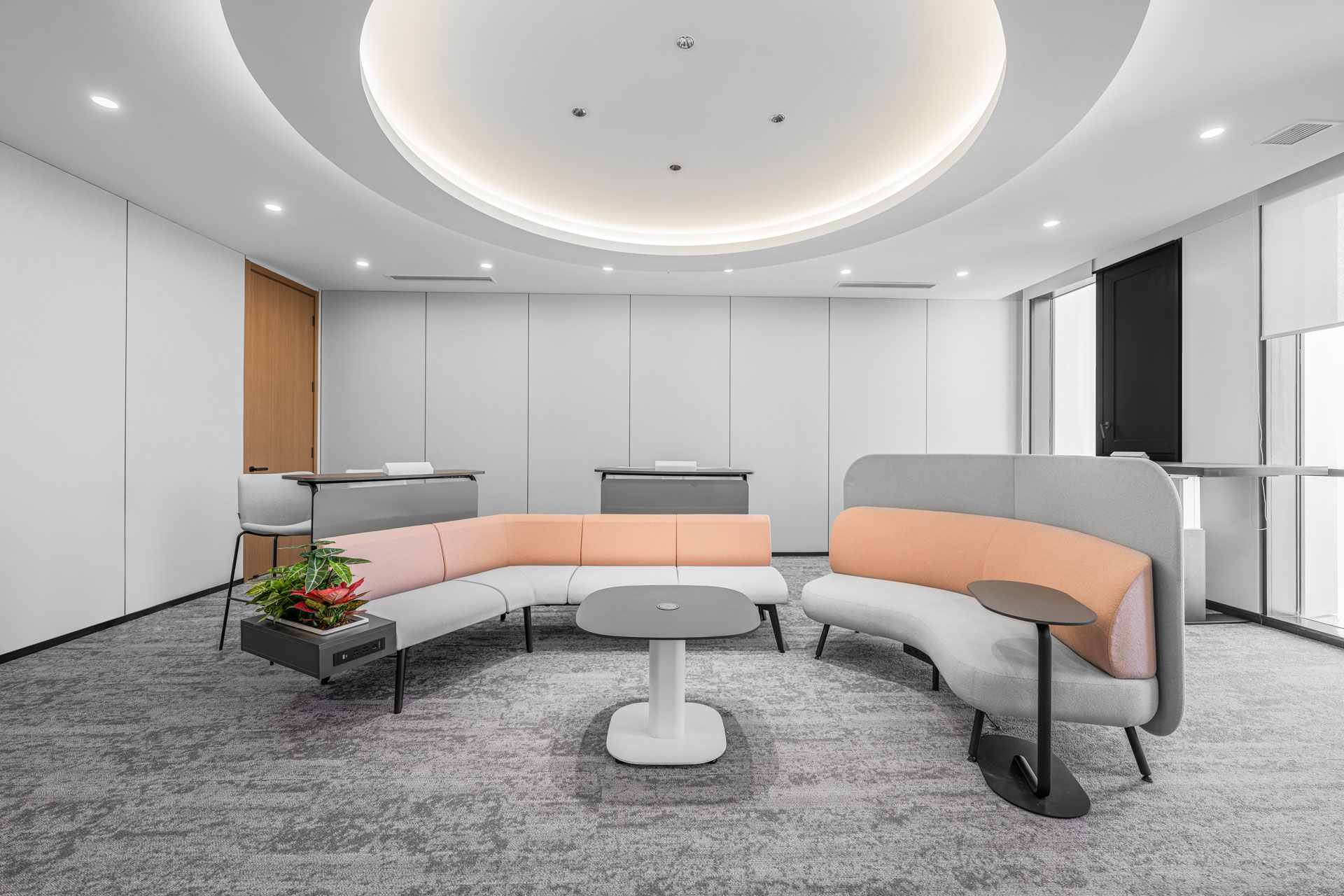
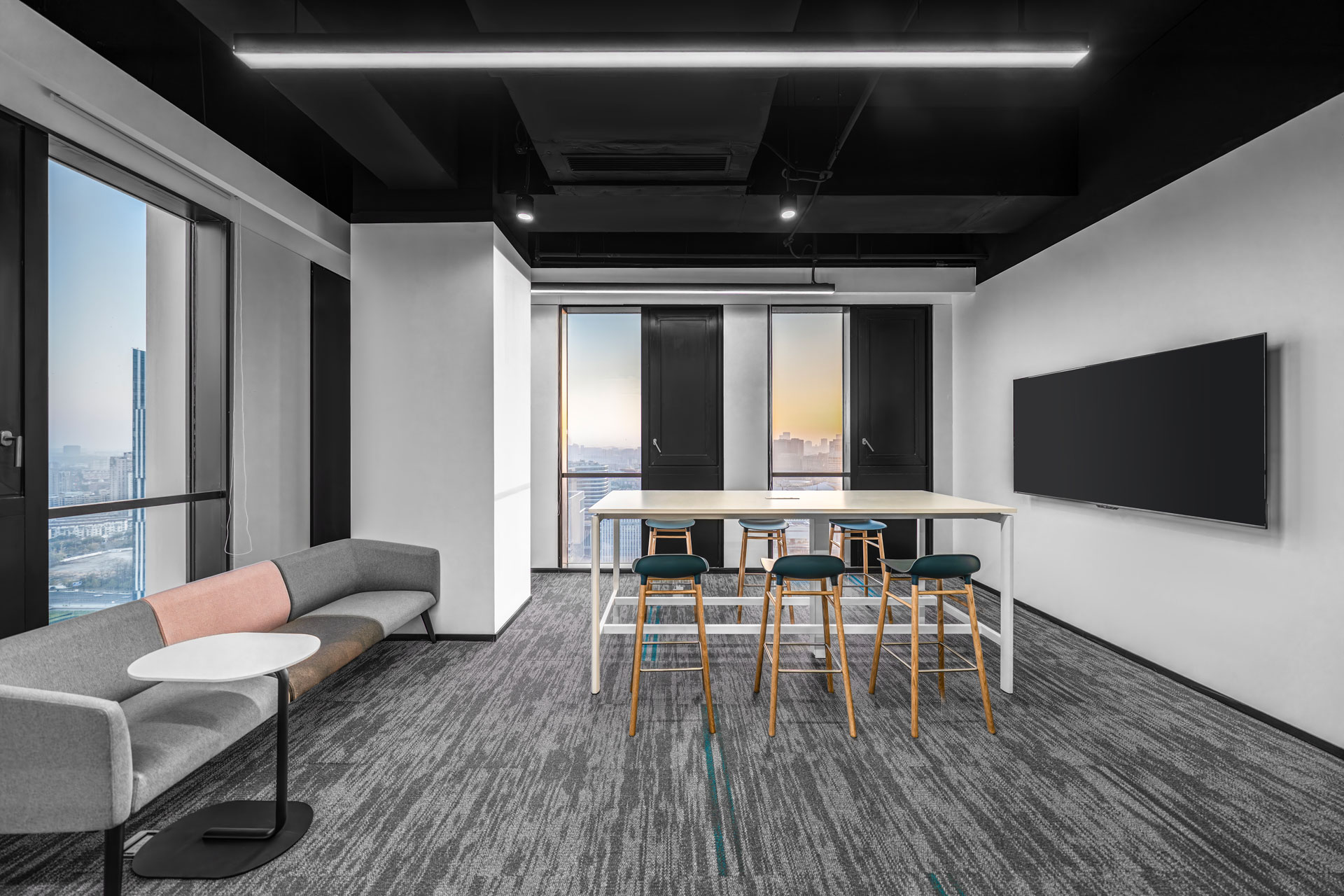
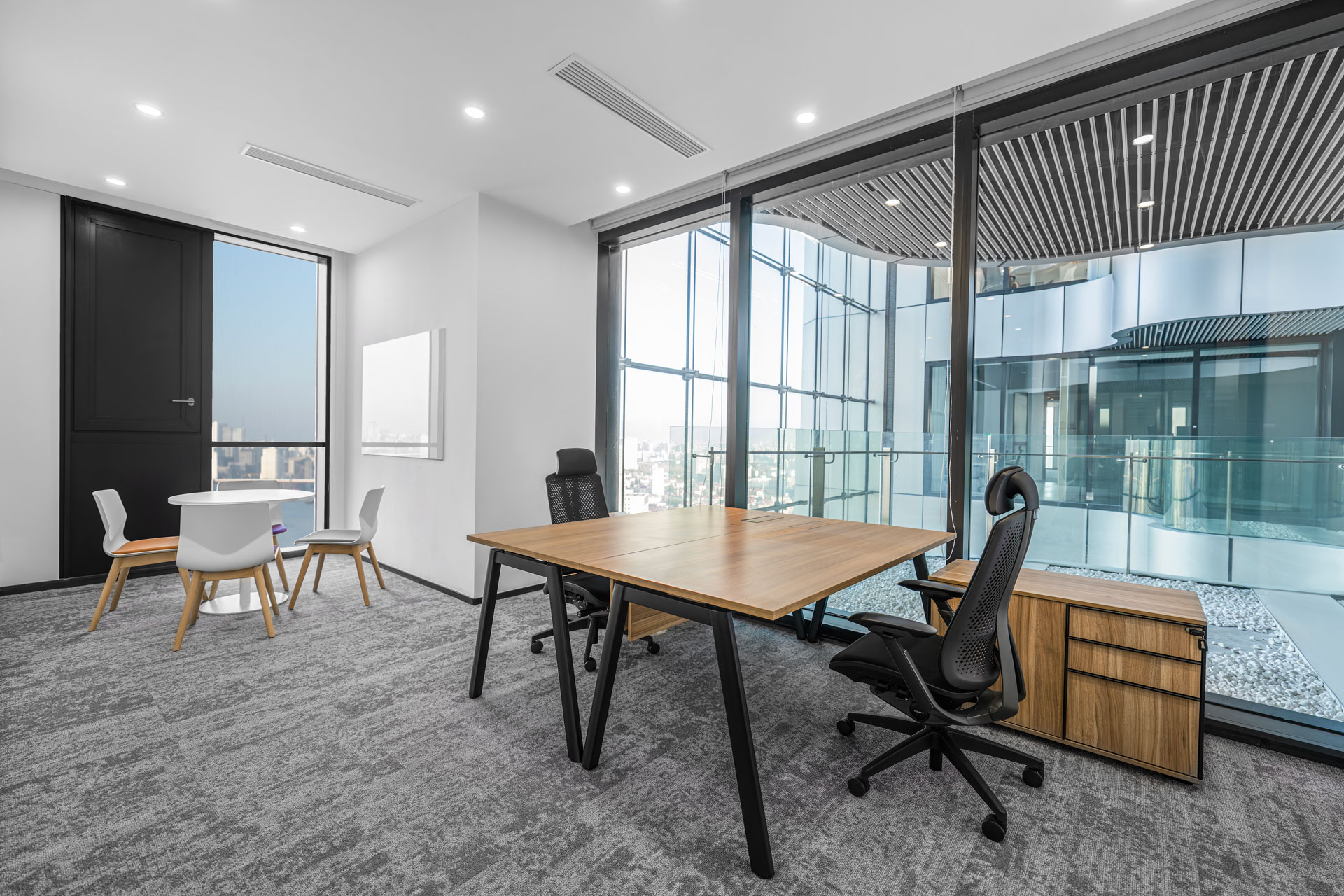
Small, dedicated lounges feature soft, comfortable collaborative sofas and height-adjustable workstations positioned by windows. This relaxed setting—intentionally informal—fosters open dialogue and creative ideation, making it ideal for small-team brainstorming or exploratory technical chats where psychological safety unlocks innovation.

Equipped with a fully mobile furniture system, these rooms can be rapidly reconfigured into classroom-style layouts for training, roundtable setups for strategic alignment, or theater-style arrangements for client presentations. Walls are integrated with smart displays and acoustic panels, ensuring optimal audiovisual performance and sound absorption across all scenarios—from internal deep-dive tech reviews to high-stakes customer solution demos.
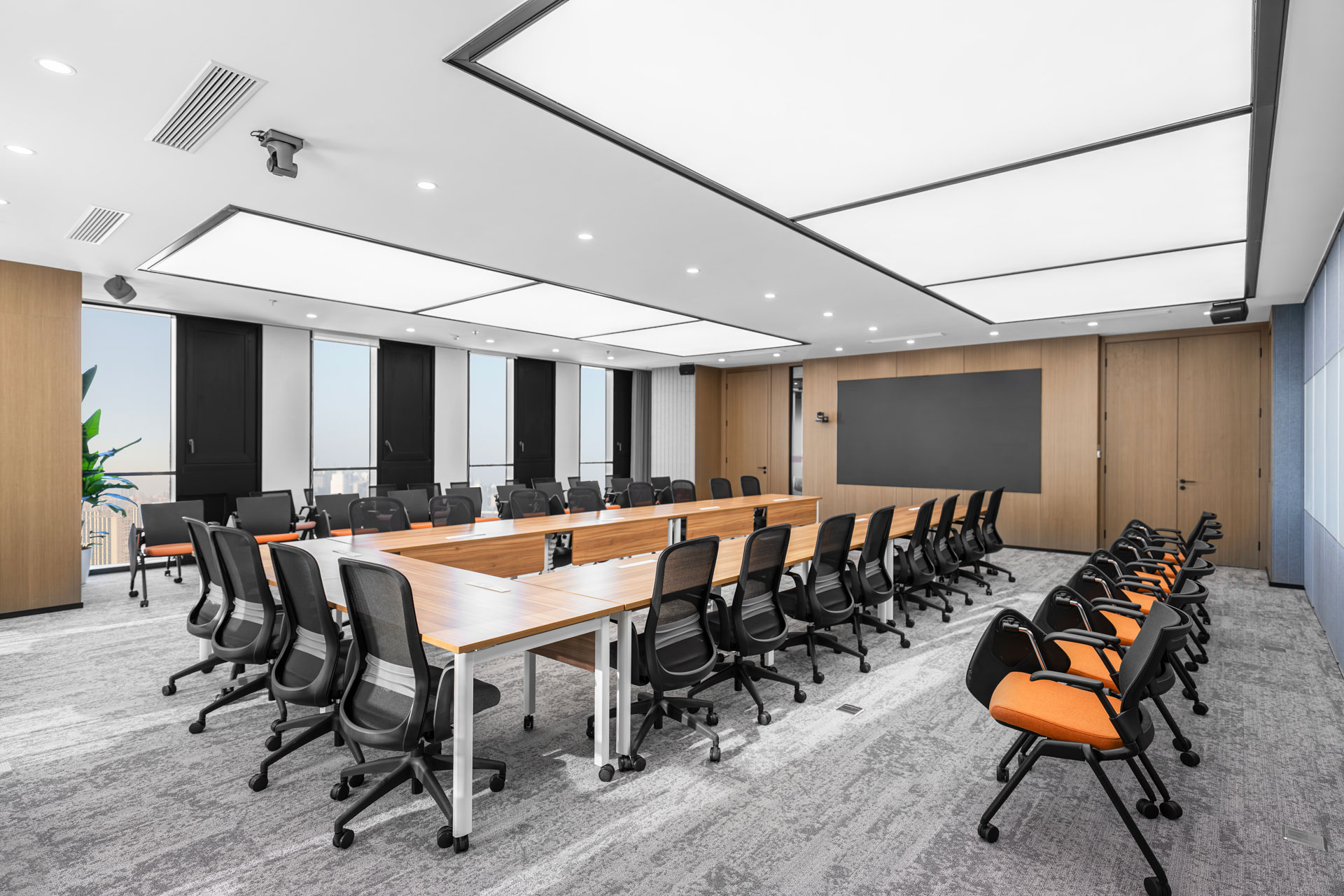
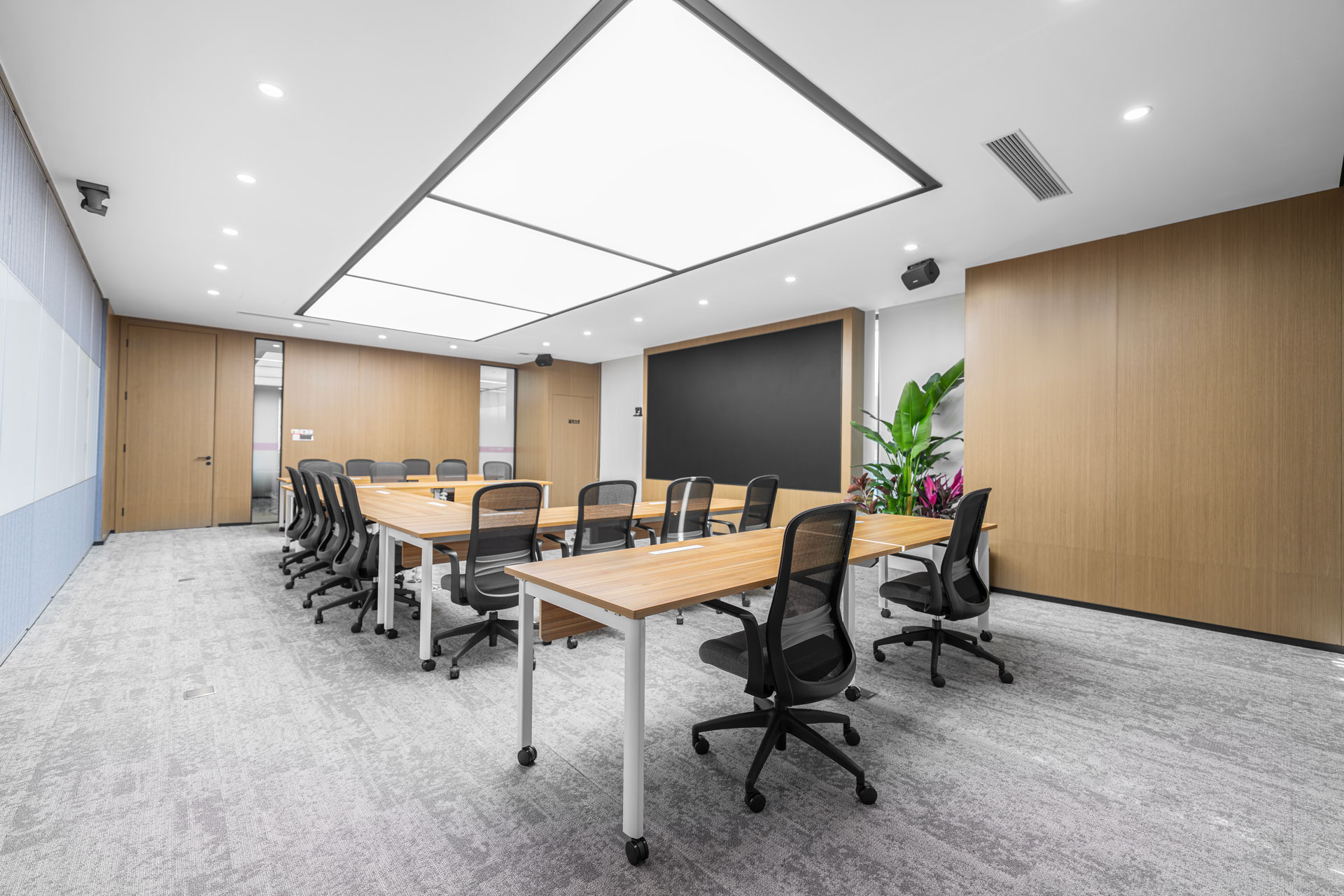
This “micro–meso–macro” collaboration architecture eliminates the rigidity of traditional office planning. It ensures that teams can gather precisely when and how they need to—enabling truly demand-driven interactions that are not just frequent, but highly effective.
iSoft Infrastructure Software’s office is, in essence, a purpose-built infrastructure designed to support intense cognitive work. It sends a clear message: respect for people is an investment in innovation.
This approach holds significant reference value for the entire technology-intensive ecosystem—including the IT Application Innovation (ITAI) sector, foundational software, chip design, and industrial software—industries defined by deep focus, strong collaboration, and talent intensity. In these fields, a well-conceived workplace is never a cost center that drains productivity; rather, it is a strategic enabler that amplifies creativity.
iSOFT Infrastructure Software Co., Ltd.
Technology
2000-2999m²

© 2024- NOVAH. All rights reserved.


