Select Your Location
Please select your location


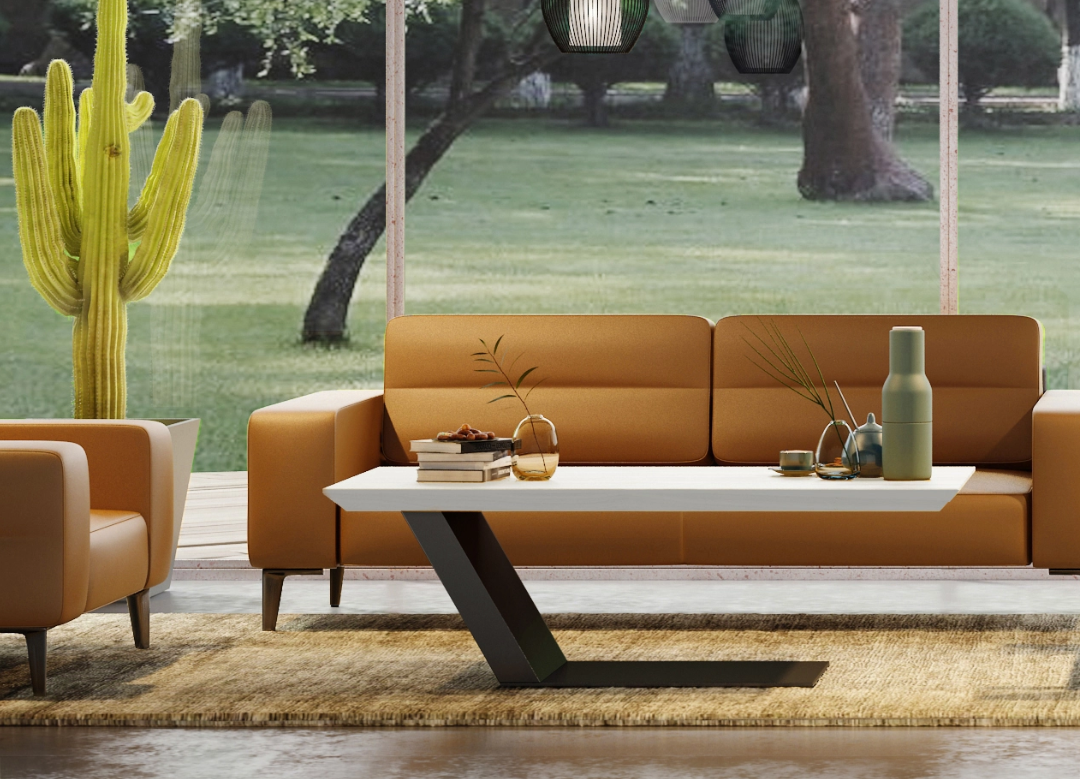
The reception desk serves as a company’s first point of introduction, the sofa acts as the inviting, humanizing footnote on that very card. Varying spatial dimensions and patterns of visitor engagement dictate how sofas should be configured.
These sofas reflect the distinct character of each industry—sometimes projecting calm authority, other times a dynamic energy. By tracing the unique contours of different sectors, we can uncover the spatial aesthetics and human-centric philosophies quietly embedded in modern reception areas.
In a reception area—a hub of constant activity—understanding how people actually move and interact is where great design begins. Sofa arrangements shouldn't just look good; they must address the underlying needs of each specific moment.
When making a strong, professional first impression matters, the ergonomics and silhouette of a sofa are paramount. It must support poised, upright posture, while its orderly arrangement subtly communicates a company’s discipline and attention to detail.
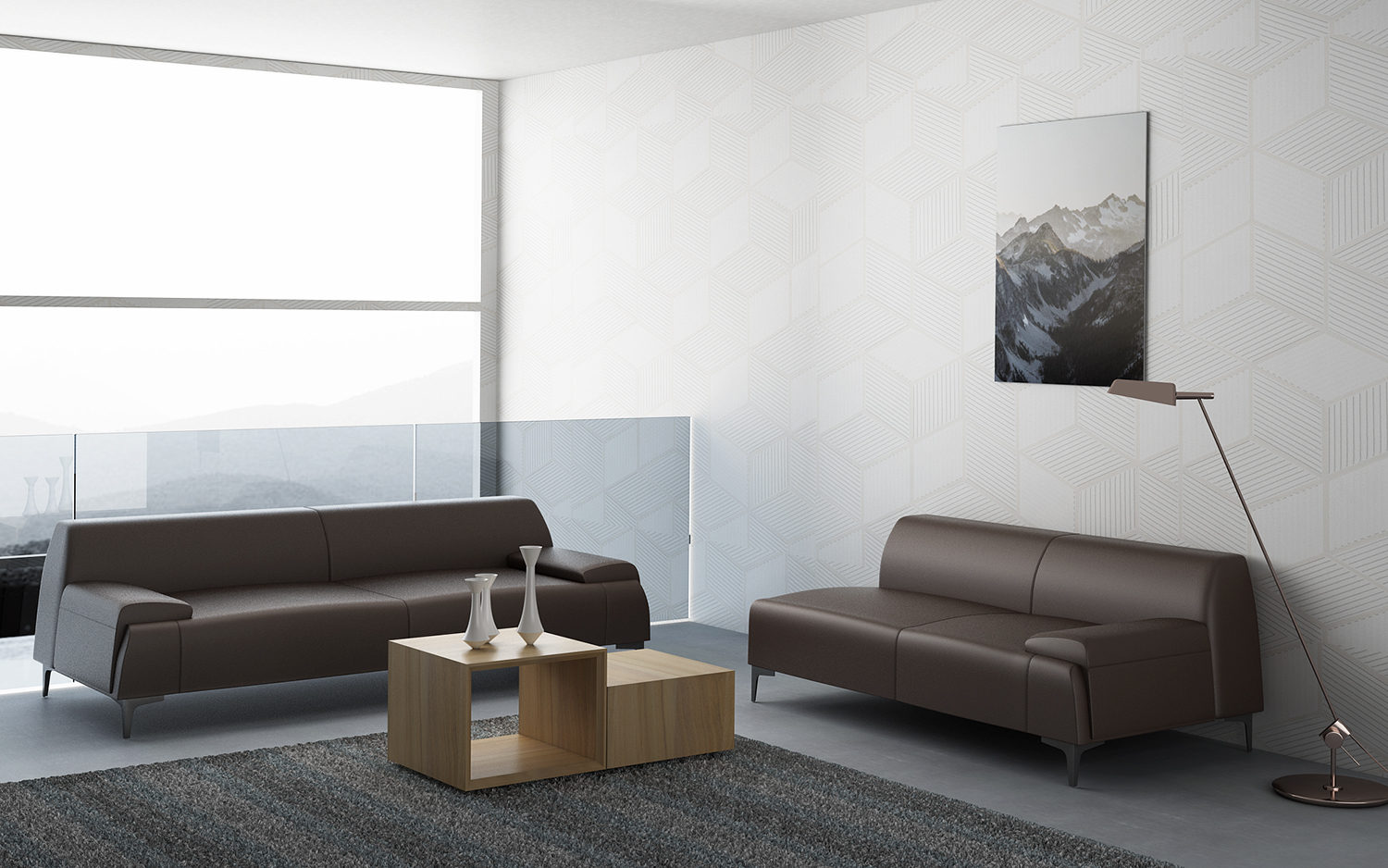
During wait times or quick breaks, the environment should help guests unwind. Modular layouts offer adaptability, while tactile, soft upholstery invites relaxed conversation and eases any lingering tension of waiting.
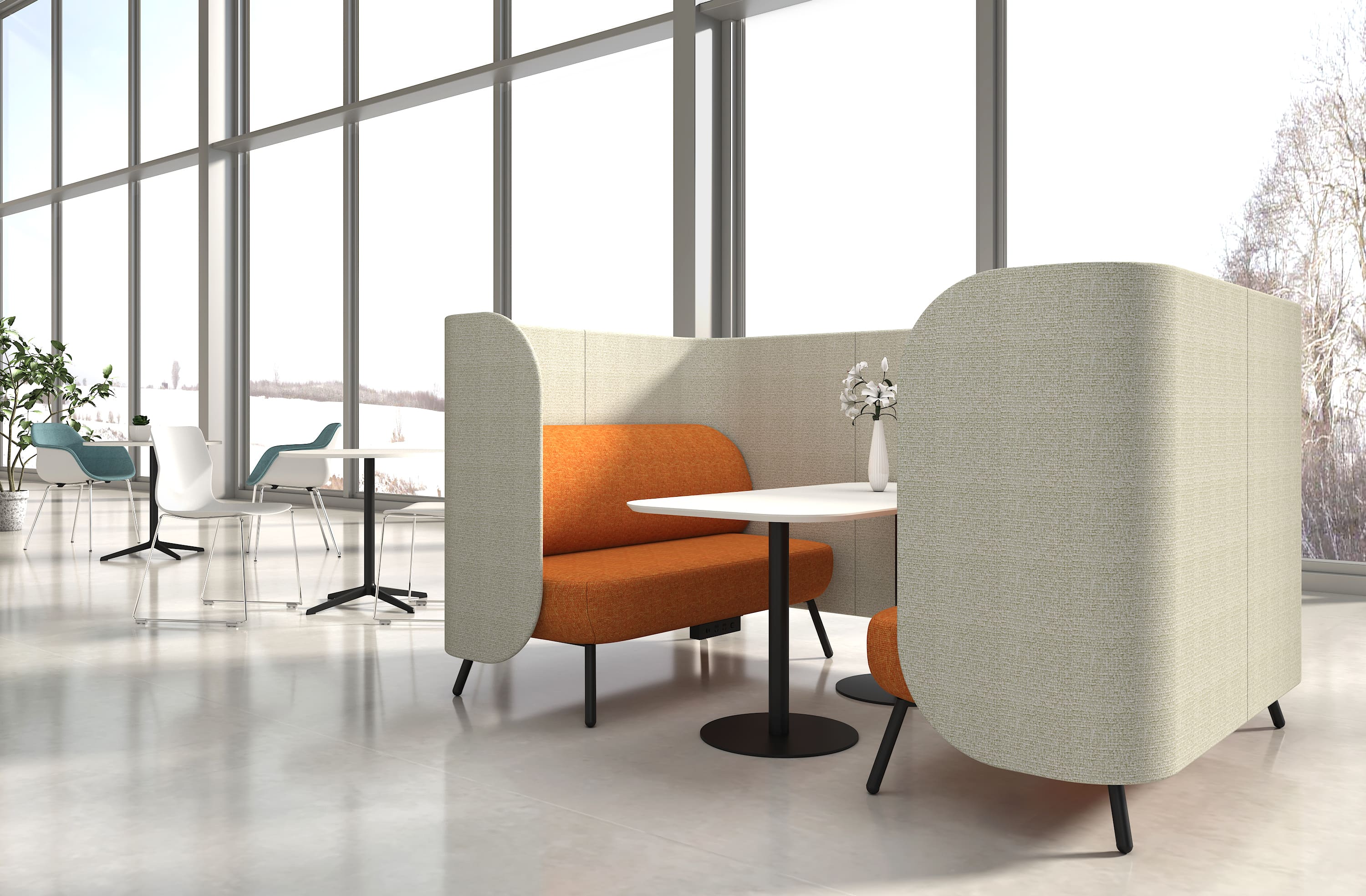
For brief, transitional waits, sofas positioned along natural pathways or near visual focal points create comfortable places to linger. But when a call demands focus or discretion, high-backed or semi-enclosed designs carve out intimate, secure pockets for private dialogue.
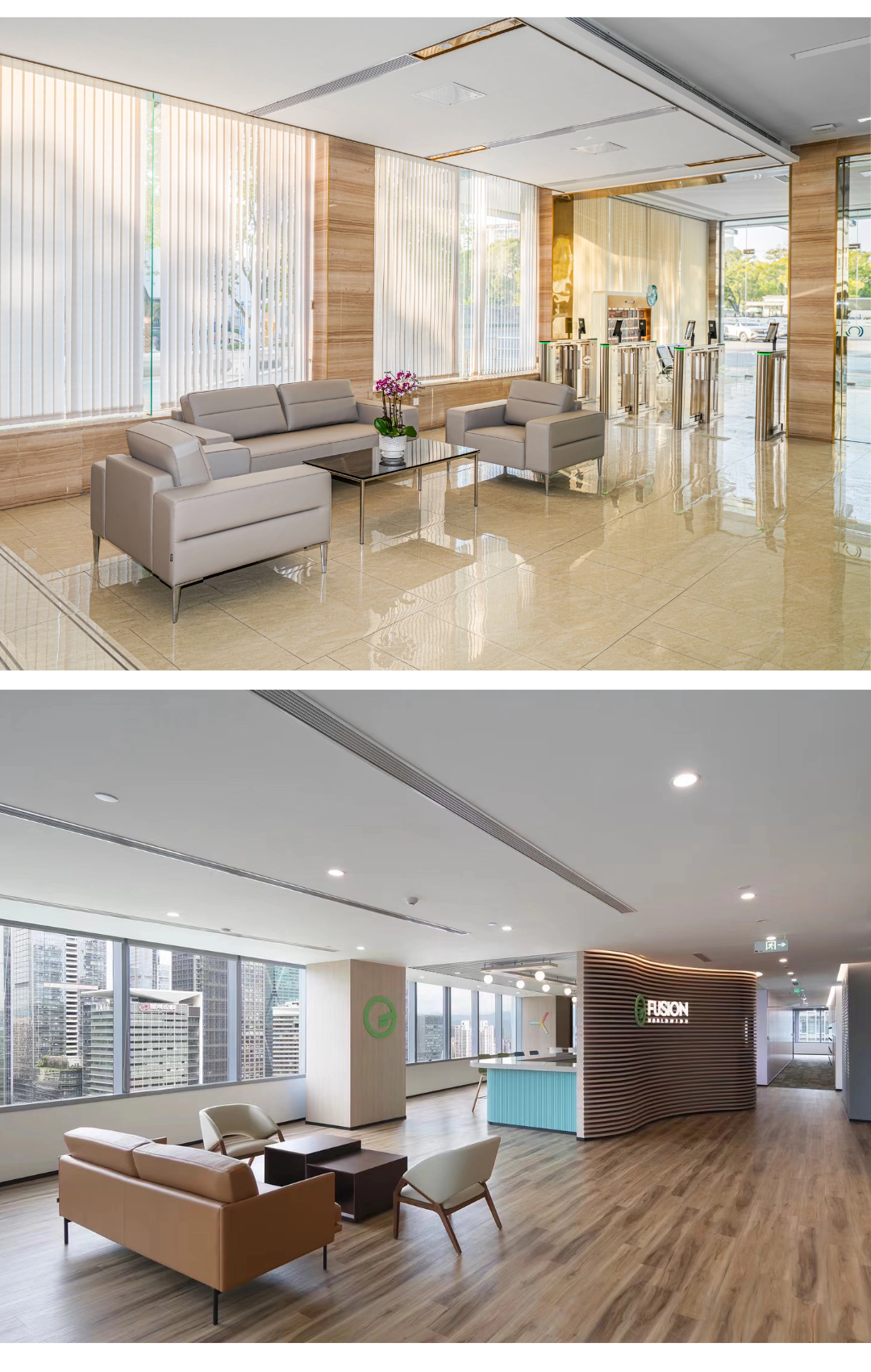
At its core, great workplace design is about fostering a connection with the brand. As the most visible manifestation of corporate culture, the reception area sets the tone for the entire space—and the right sofa selection plays a pivotal role in defining that personality.
In traditional sectors like finance and energy, the reception area must project stability and unwavering reliability. Crisp silhouettes, clean lines, and symmetrical arrangements cultivate a sense of gravitas and professionalism, perfectly mirroring the rigorous and steady nature of these organizations.
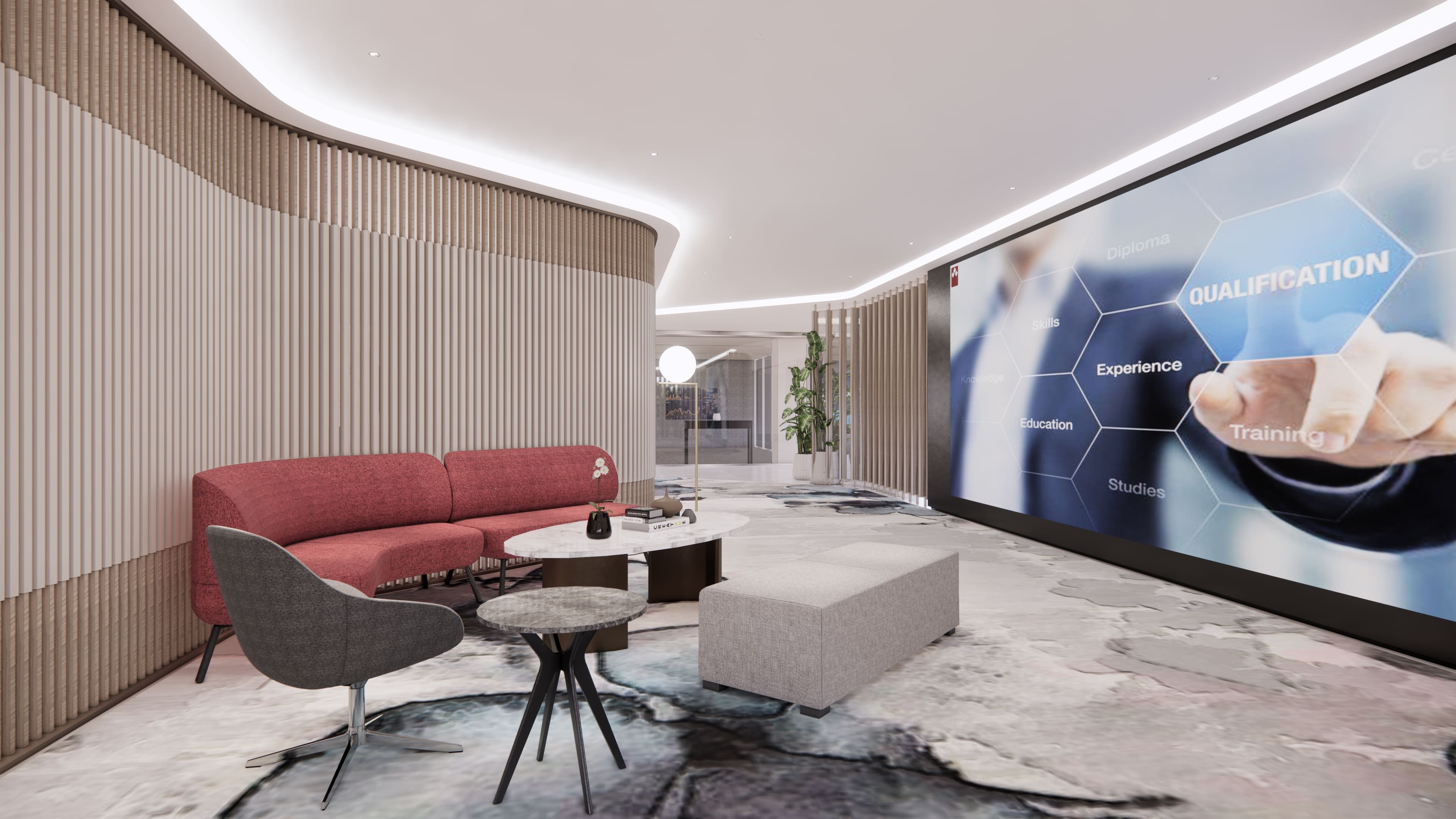
In consulting, hospitality, and forward-thinking tech, there’s a delicate balance between projecting expertise and remaining approachable. Embracing, curved sofas—or integrating lush greenery with sofas—helps dissolve rigid corporate stereotypes. This approach maintains a professional foundation while infusing the space with modern values of openness, collaboration, and human-centric design.
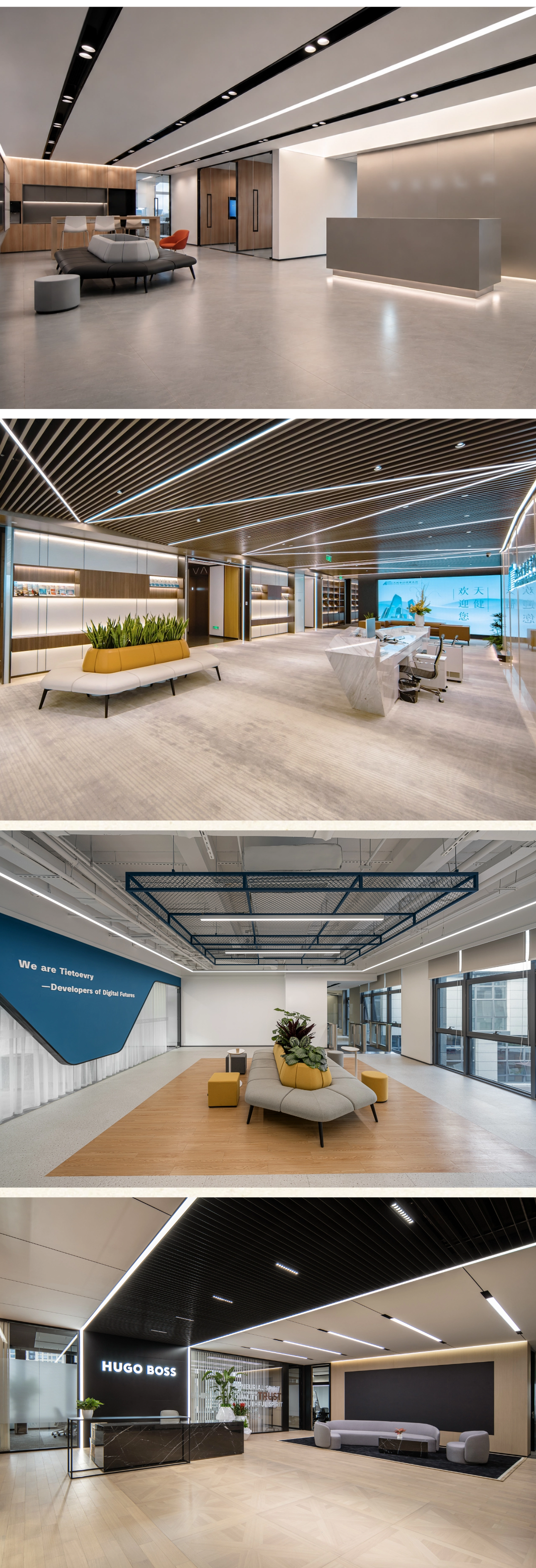
For scaling tech startups and creative agencies, adaptability is non-negotiable. Modular sofa systems that can be effortlessly moved and reconfigured are the ideal solution. Beyond seamlessly transitioning from solo waiting areas to collaborative brainstorming zones, this highly customizable nature serves as a physical reflection of the company’s own agile and innovative spirit.
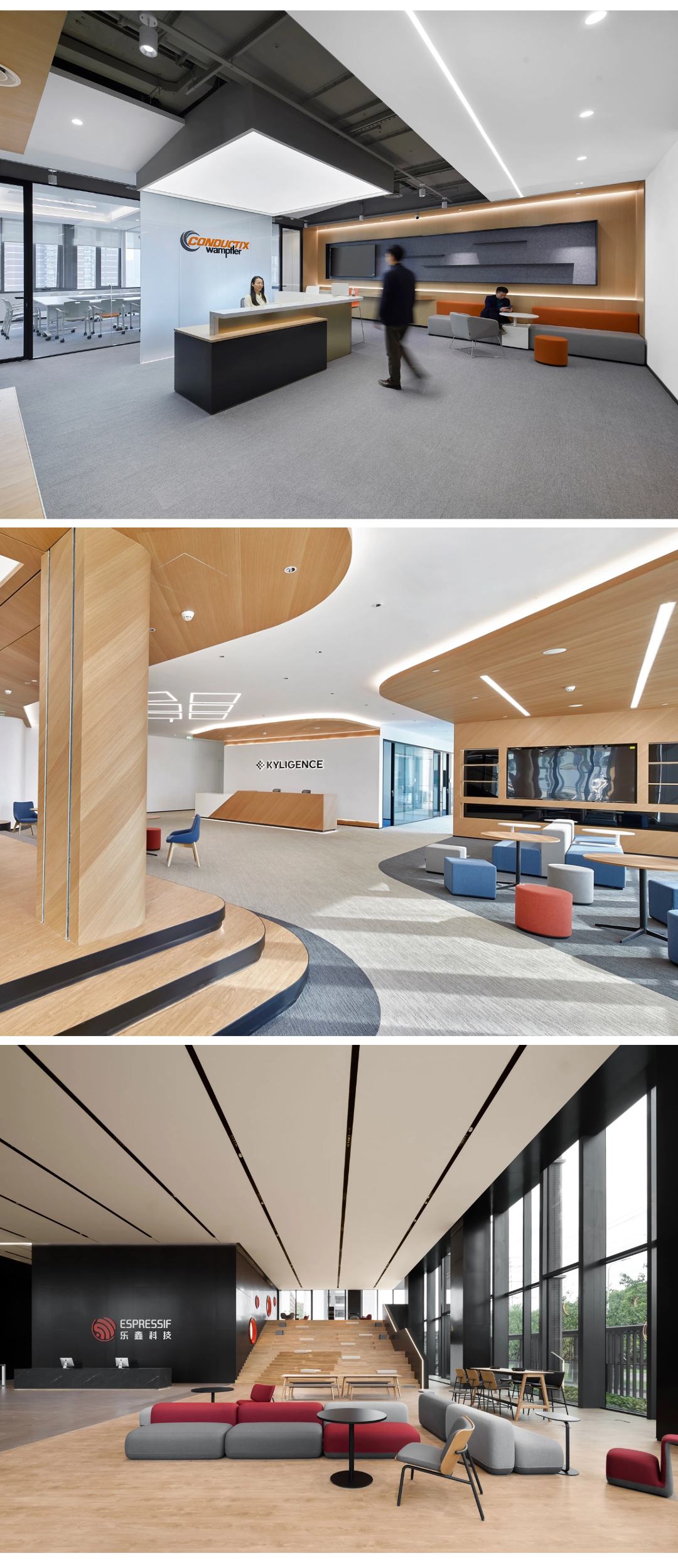
A growing trend in progressive workplaces is the move away from traditional front desks. Instead of standard reception counters, designers are placing inviting lounge sofas at the entrance to encourage equal, comfortable face-to-face interactions. This layout dismantles the transactional "server-and-served" dynamic, prioritizing genuine connection and dialogue to foster an immediate sense of equality, openness, and trust.
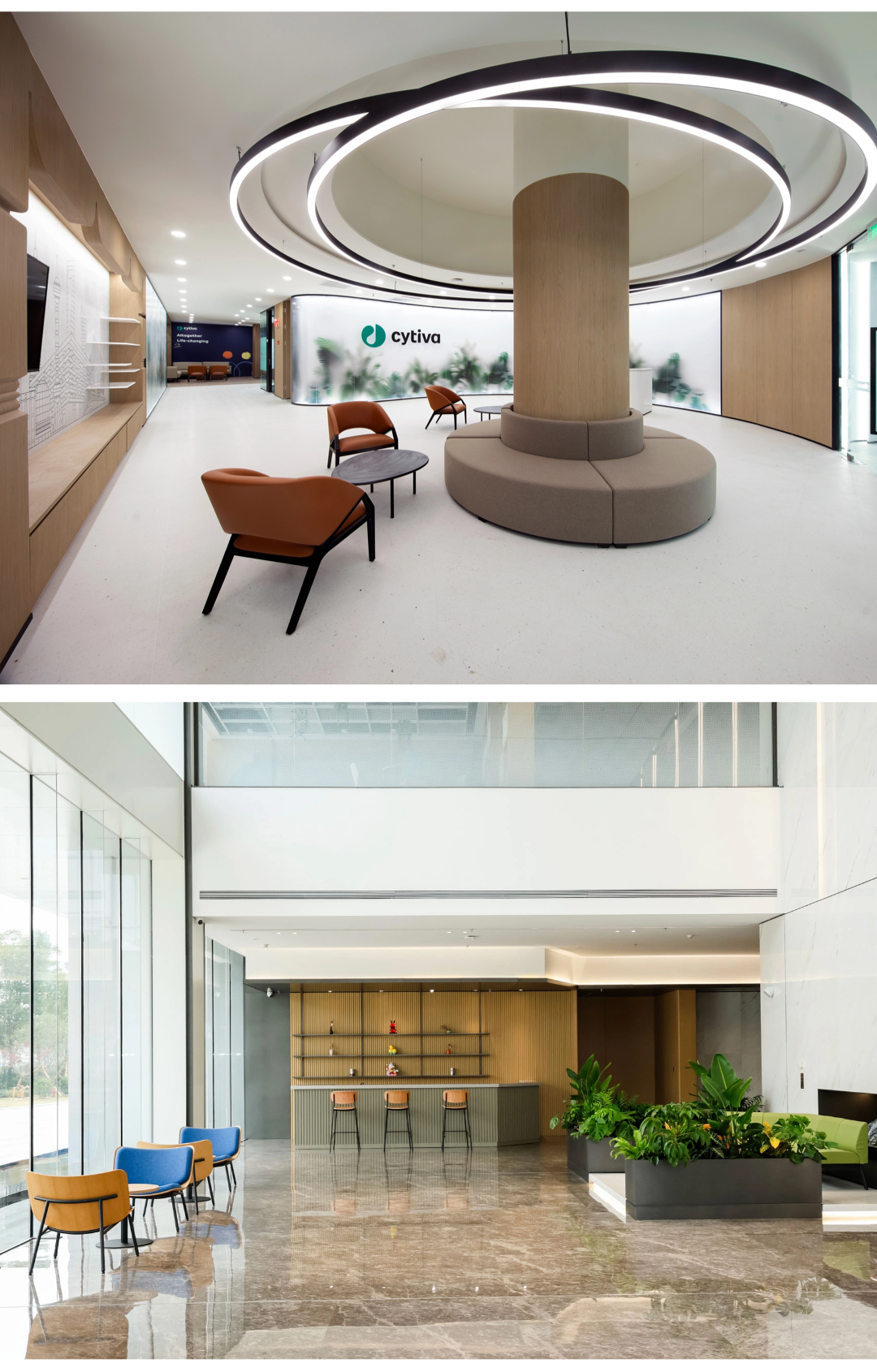
Beyond outward-facing presentation, reception areas must also accommodate internal needs for privacy. Tucking a more enclosed sofa grouping just behind a feature wall, or nestled against structural columns, creates intimate "micro-nooks." This clever "front-parlor, back-room" strategy adds depth to the reception area's social dynamics, catering to a wide spectrum of conversational contexts.
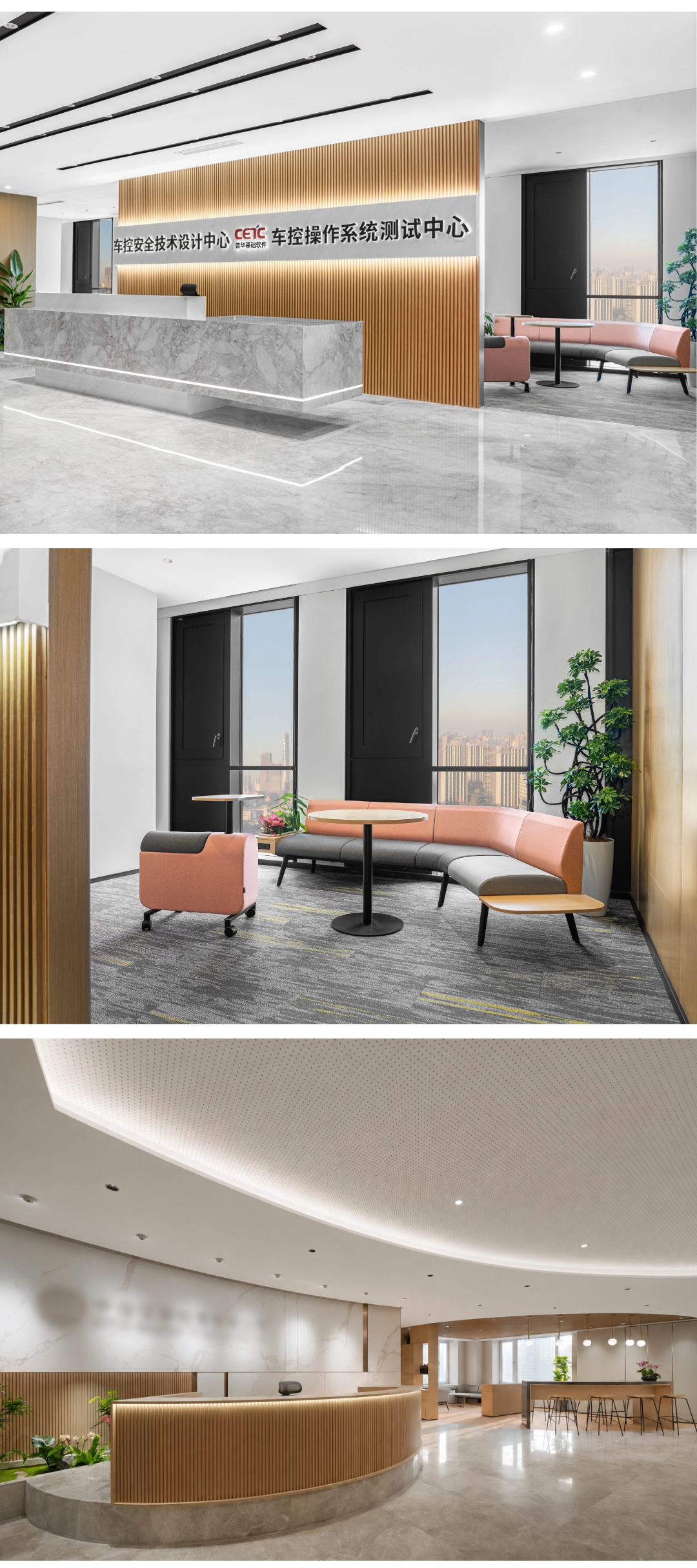
Whether projecting structured order or fostering genuine connection, choosing the right reception sofa ultimately reflects a company’s deeper philosophy: how it welcomes guests and values interactions both inside and outside its walls. Far beyond being a simple piece of furniture, the sofa acts as a curator of spatial atmosphere, a subtle director of human behavior, and a clear voice for the brand's character. In today’s landscape, where hybrid work models and employee experience are paramount, a thoughtfully designed reception area has become a strategic asset—one that actively builds a positive culture and helps attract and retain top talent.
© 2024- NOVAH. All rights reserved.